Critical art & culture as a reflection of society

Art as a reflection of everyday life can initiate important impulses for socio-political debates. Art was and always is a way to address real existing ambivalences of societies or human existences (including one’s own) and to seek or challenge public dialogue. This understanding of art was and is an essential aspect of the work of critical artists – then as now.


I was always freelance. That was because I was a somewhat unpopular student in 1983 because I was dealing with certain topics – punks and youth work camps. At the HGB [Leipzig Academy of Visual Arts] it was common practice at the time for students, graduates, to always receive job offers from industrial companies or cultural institutions where they then worked as photographers. But nobody really wanted me because I was a bit opportunistic. And so I took an additional course at the university: in 1985 with Emil Richter at the “Institute for Youth Research” and then I withdrew a bit because my two daughters came in 1985 and 1987…
My professional interests are probably also connected to my family. My father was also a photographer, so I am a photographer. I still love the job to this day and I still find the engagement and the possibilities that this medium offers so exciting. That applies to the time when I was working analogue, but up until today I am working digitally. But back then I really did exhaust everything that was somehow connected to this medium. The most important projects came about back then because I really enjoyed dealing with young people – who were only slightly younger than me. That’s why I chose these topics, like the punks back then, but also other youth and fringe groups. Or the situation in a youth work camp, which I documented photographically. All of these topics arose out of interest, because I simply wanted to know how these young people live, how are they doing? In the youth work camp, the people I was allowed to visit were girls: How are the girls doing in such an institution? These things were exciting for me, I wanted to document them photographically – and I wanted to know that too. […]
The post-reunification period was actually the most exciting time for me – photographically speaking, because you could get into everything. There were no boundaries like there are today or like there were before. During this time, I could go out and put on a hat or an apron when I was in a company or something else. I actually felt like the world was mine and I could photograph anything. The fact that I was lucky enough to have colleagues from the old federal states come and offer us the opportunity to set up a joint agency and work for influential magazines like Spiegel, Stern – all the ones that existed back then – the TAZ, was sensational for me and I really enjoyed that for the first few years. That changed again over the years because everything has several sides, of course, but the post-reunification period was an exciting time in terms of work.
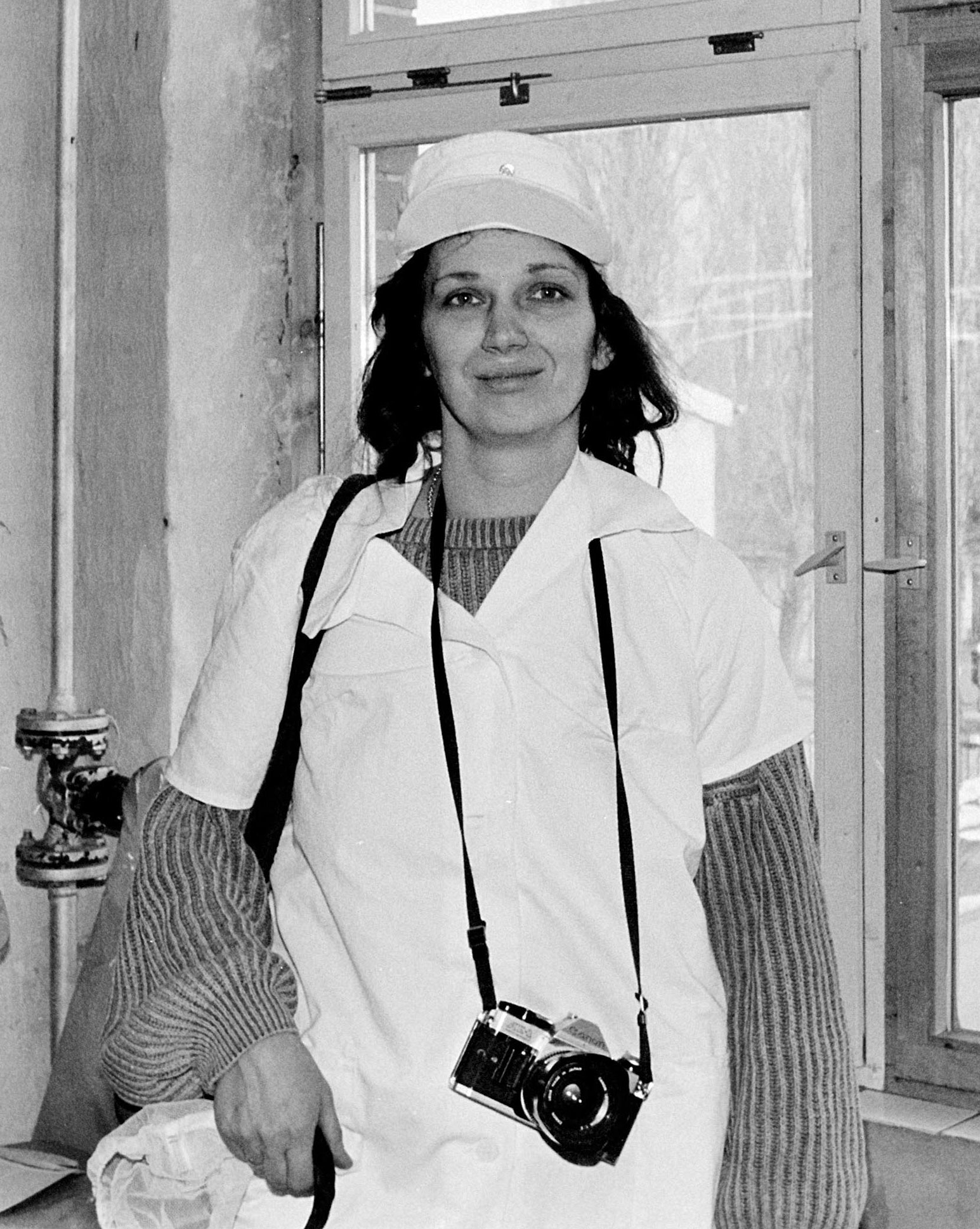
Christiane Eisler
1989: freelance Dipl.-Photographer, married, 2 daughters; 1990 founding of the photo agency “transit Leipzig”, since then working as a photographer for magazines and magazines, trade unions, foundations, companies, advertising agencies and publishers

At some point, I decided to apply to the Institute of Literature for a distance learning program, and I was accepted. That means from 1984 to 1987, I completed a supplementary degree program at the Institute of Literature. … By chance, in the spring of ’87, I got the tip: Why don’t you send a kind of unsolicited application to the Central Institute for Youth Research (ZIJ)? You’d be a good fit there… and, to my surprise, I was invited for an interview…
… The ZIJ wanted to really establish and expand women’s studies, and that’s what they offered me – I hadn’t expected that, and I immediately said: “Yes, absolutely!”
That was right up my alley, because I’d long been interested in the situation of women in the GDR and had also engaged with literature in that context. A lot had happened in fiction, in particular. Maxi Wander, Christa Wolf, Sarah Kirsch… I said yes right away. …
Our ZIJ research reports were all top secret. They were sent to the ministries and, of course, to the Party… because these studies revealed connections that didn’t fit the image people wanted to have of youth in the GDR. … Right-wing radicalism, right-leaning young people. Or perhaps the “enthusiasm for the state” among young people simply wasn’t there, as was claimed or reported in the newspapers. And this so-called socialist personality – young people didn’t always exhibit its characteristics. … The institute was essentially a political advisory body… and we hoped that our findings would make an impact… In 1988, no one expected the country to collapse. We wanted to change the GDR and believed that our reports would help bring about that change.
… In the fall of ’89, our everyday lives were literally turned upside down – it all happened very quickly… the October demonstrations… the Round Tables, the founding of groups like the Independent Women’s Association (UFV) in December ’89. I became a member and was then part of the “Women’s Policy Commission” of the Round Table. The Round Tables replaced the city administrations… and ultimately became obsolete with the local elections in March ’90. During that time, the Central Institute for Youth Research was dissolved… the moving containers were very full…
… I initially worked as a freelancer, taking on assignments from the Special Research Area in Sociology at the University of Munich and from the German Youth Institute – in 1990, I was a sought-after speaker on women’s policy in the GDR. Western interest in women in the GDR waned very quickly – and I was on the hunt again…”
Beate Locker continued to work professionally “in the cultural sector.” In 1991, the Cultural Office of the City of Leipzig, among others, faced the challenge of rebuilding and restructuring. The concept at the time included “a position for sociological environmental studies”… practically tailor-made for Beate Locker. The then-head of the office agreed. The position was temporary – but “her work for Leipzig’s cultural scene was not.” As a highly respected head of the Department of Cultural Promotion, she achieved a great deal of positive impact over her many years in the profession… especially, of course, in Leipzig’s independent cultural scene and sociocultural sector…
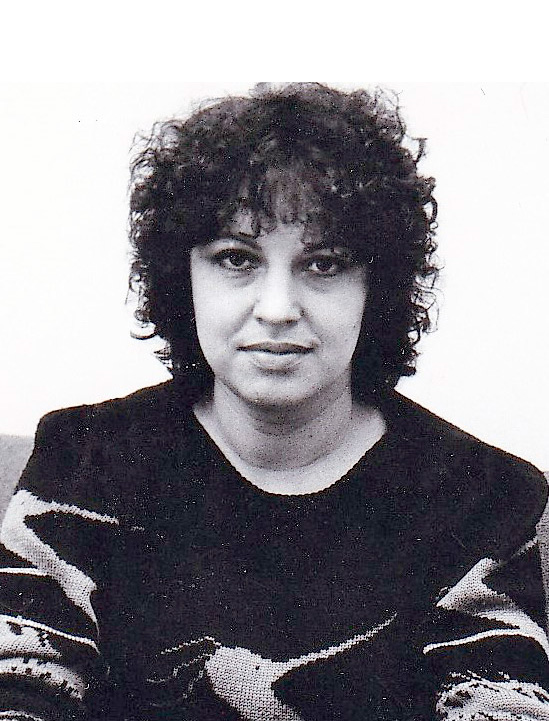
Beate Locker
1989: 37 years old, studied cultural studies and literature, graduating with a degree in journalism