Children, community… were important.

A rather polarised image was/is often spun around “being a child in the GDR” – from “happy, carefree and free childhood in a country where everyone lived together in solidarity regardless of social status” to “always grey everyday life full of prohibitions, heteronomy and suppression of individual life concepts and needs.” The majority of respondents confirm the “fact” that children in particular were confronted with many propagandistic narratives in the children’s centres and schools of the GDR. “Being a child in the GDR” had many colours – dark colours that intimidated … and bright, colourful ones in which children could experience and learn that they were important …


So for me, the GDR was always a space that wasn’t free and I grew up with my parents always saying: “Be careful, don’t tell everything at school. You can tell everything at home.” And somehow that was always a bit less than honest.
And I wanted to do that or we wanted to do that differently with our children. For example, we didn’t give our children to the pioneers. That wasn’t easy. And we already knew that they would be outsiders. It was common for all children to go to the pioneers. We had different groups of friends. Some Christian, some non-Christian. And we had discussions there too. I still remember a friend saying: “Well, you’re now putting your ideas on the backs of your children, because you’re actually ruining their future.” Of course, that was crass for our conscience. We didn’t want that. I then took great pains to ensure that they were treated equally; for example, we made an effort to get into the parents’ active programme. I succeeded with our older daughter. With the twins, who started school a year later, my husband wanted to join the parents’ collective. He didn’t succeed at first. The class teacher stood in front of the door, rang the bell and said: “The headmistress said you won’t be putting your twins in the Pioneers either. That’s why we can’t include them in the parents’ programme.” And then I said: “I now expressly insist that you accept us. We won’t accept a reason like that.” And then she left again… that made me really angry too. I don’t know what I would have done then. There weren’t many chances, but I would have fought first… And then, for whatever reason, the headmistress decided to take us in after all… […]
On 9 October, I drove into the city with a friend and we were already scared. We wanted to drive in early enough to get to the church to pray for peace. And yes, we did meet up. My husband rang me at lunchtime. He had a friend at university and he called him and said: ‘They’re shooting here. We’re getting the operating theatres ready. Be careful. So my husband called me and said: “You’d better not go, think about it.” But somehow I had made an appointment and I also wanted to go to the peace prayer.
After the peace prayer in the Reformed Church, we walked through the city to Karl-Marx-Platz and we could see from afar that the square was full. It was a crazy feeling. And somehow it was such an atmosphere – it still gives me goosebumps. We said to each other on the pitch: “No, they can’t shoot. There are too many of them.” And everyone was kind of happy. And I also remember the call that came over the loudspeakers from the six Leipzigers for non-violence. And then it remained peaceful. We then went home and said: We have to come back every Monday. Somehow it was like that. Then they said: Yes, next time everyone has to bring someone else. But I never brought my children with me at the beginning. I was still always afraid that if something happened, something would happen to them. Others did it differently. They said: “Nah, if we bring the kids, they won’t do anything.” But I didn’t take them with me until much later – and yes, that was the case…
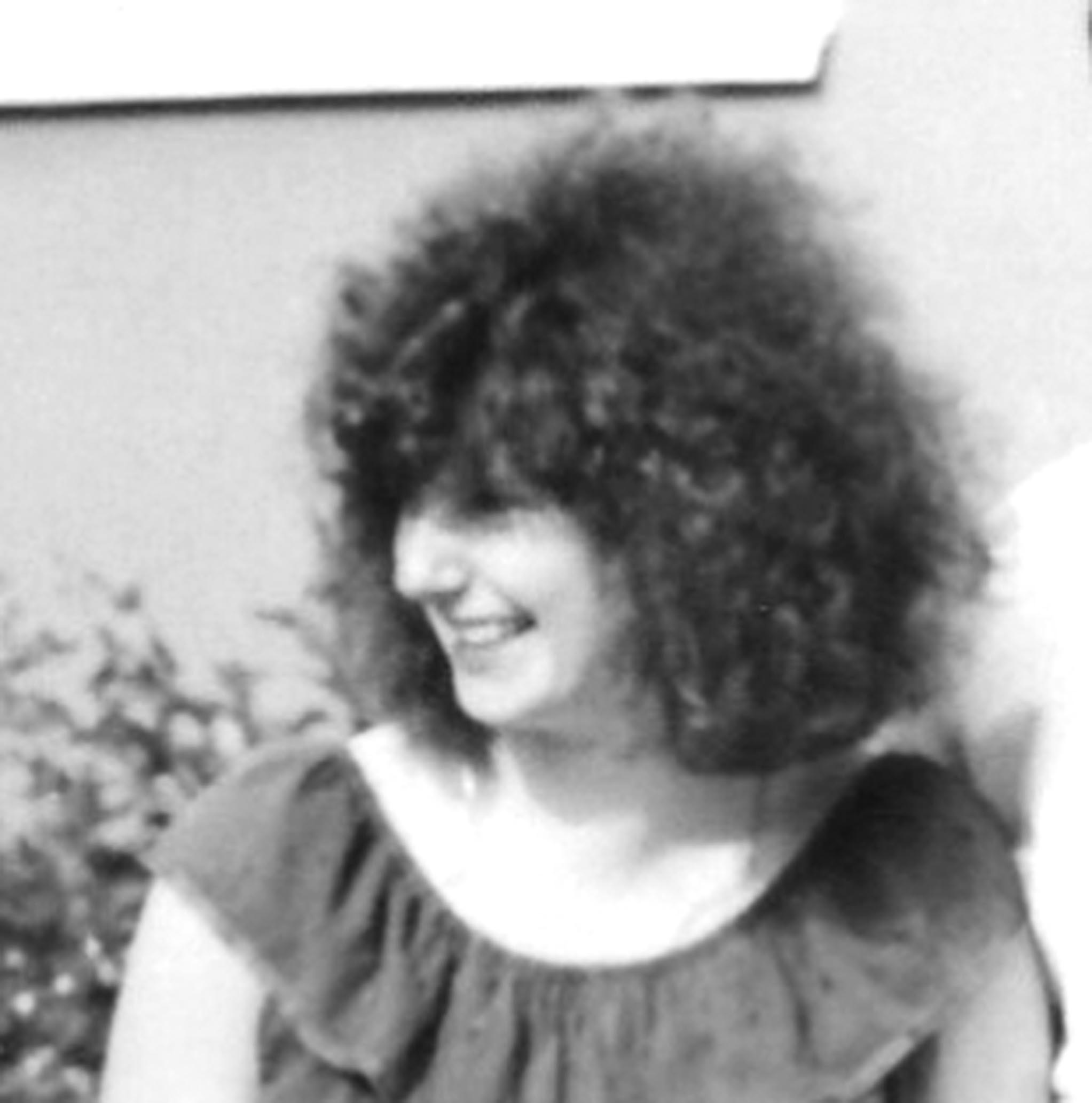
Regina Schild
1989: Vocational training with Abitur, electronics technician, 3 children, married; from January 1990 involved in the dissolution of the district administration of the MFS/AfNS by the “Leipzig Citizens’ Committee”; from November 1990 head of the Leipzig branch of the then Stasi Special Commissioner; until February 2020 head of the Leipzig branch of the Office of the Federal Commissioner for the Stasi Records; since 2009 she has been a member of the Board of Trustees of the Peaceful Revolution Foundation. In April 2021, she joined the Foundation’s Board of Directors.

… I actually would have gotten involved in the political activities of ’89, but my husband and family discouraged me from getting involved in those circles while I was pregnant (with my second child). So I watched it all from a distance and felt stupid, thinking that somehow it wasn’t the right time to have a child … and at times I was also very unhappy.
The woman’s name was Jana, and she was part of a group of women from the Independent Women’s Association who all had young children. … I then visited Jana at home because she said, ‘I’m sewing this scarf out of sheets. You’re welcome to visit me.’ They had already set up this meeting place in an old apartment building in eastern Leipzig, where they always got together and discussed: How can we continue to be active in public, even with the children? Or especially with the children. …
… I went along to a meeting and then I thought: Okay, this is a really fundamental decision! If you get involved here, that’s the end of staying in my pajamas until noon and seeing when I’ll go to the playground. … I spent a few days thinking about how I was going to juggle it all, but then I decided to really dive in. …
… like many in my generation with a GDR background, I had a few prejudices – when it came to women’s groups. But this collaboration, this exchange, this authentic – sometimes shockingly honest – conversation, was a new experience for me. It was incredibly enriching. It was my first positive experience with women, an experience of solidarity instead of competition, of cohesion instead of judging by appearances and everything that came with it. And what incredible strength these women had to actually put those ideas into action.
… It wasn’t easy, when I think back on it today, how we managed with one to three children, including toddlers and preschoolers – everything we did, how we pulled it off. … (October 13, 1990: opening of the first mothers’ center in Leipzig; others followed). … The husbands of the women who were involved, who were interested in it themselves – they were very welcome and they also got involved. That was great … I always found that enriching. There were no men there who felt they had to make a name for themselves in any way. … It was a wonderful community. And that’s how I experience it today in the family centers as well. …
… I believe that in the 1990s, many people thought (– and still think today): They don’t need that (the mothers’ center / the family center) – they don’t have any problems, after all. … that is, that we were/are equated with the Müttergenesungswerk, women’s shelters, and services that are really very deficit-oriented. But from the very beginning, we had (and still have) this so-called “no-problem” approach. That is really the be-all and end-all: you don’t have to present a problem to gain access to the mothers’ center. It’s precisely the completely normal family – though what is normal, really? – that could and can come to us. … We welcome all contacts and every interaction – that has been and remains our welcoming starting point for over 35 years. …”
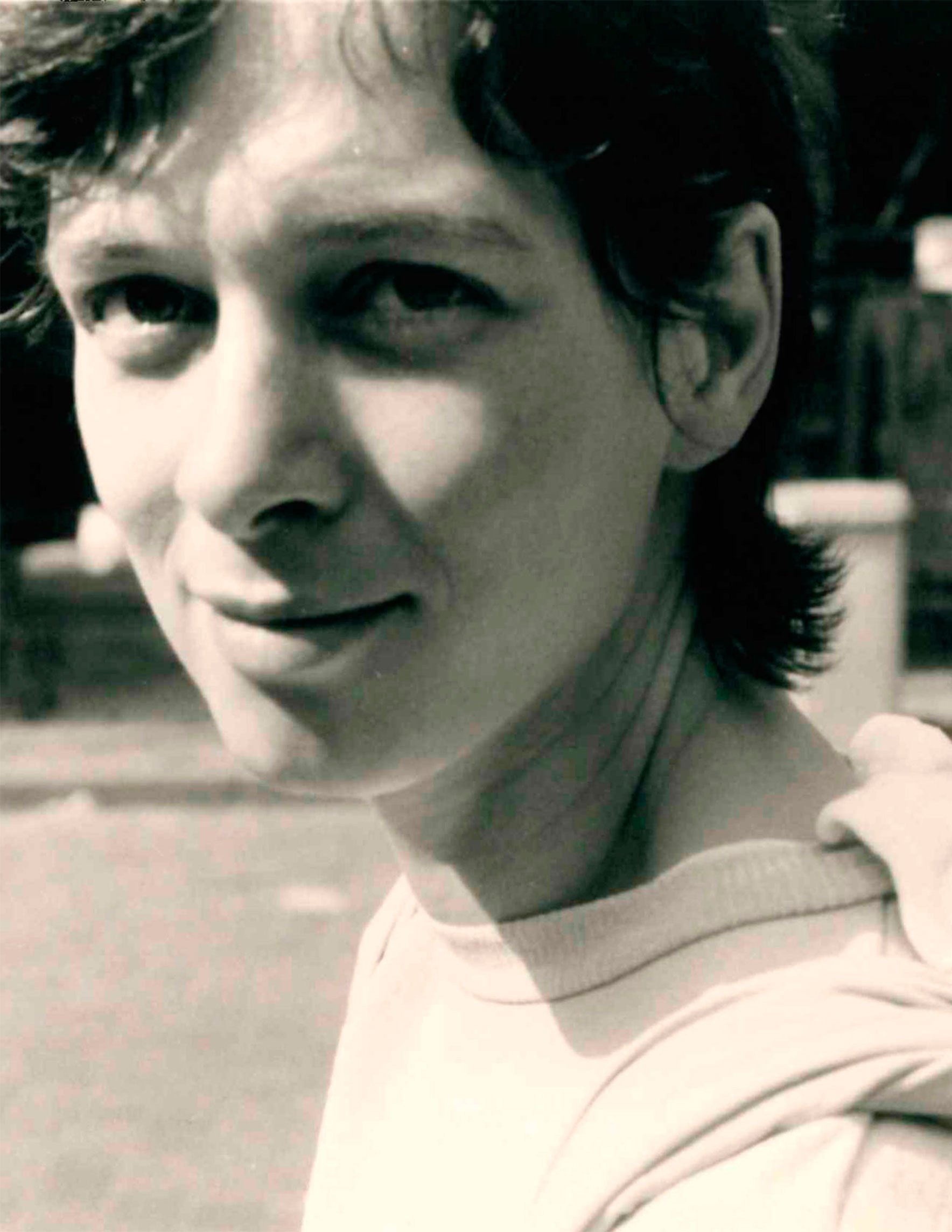
Fall 1989: 29 years old, working as an editor at Reclam Publishing; mother of two daughters, certified adult education instructor; Raymonde Will is essentially one of the “founding mothers of the East German-style mother centers”; as managing director of Mütterzentrum Leipzig e.V., she has – since the first mothers’ center opened in 1990 – helped establish four additional centers and three daycare centers in Leipzig; she is a sought-after speaker and workshop leader in family education, active in various associations and corporate sectors, and provides individual and group counseling. …